143 recipes, painted in Delft blue
Dutch CookbookBlauw & Wit

The takeaway menu · Chinees-Indisch

The Chinees-Indisch Menu

Nearly every Dutch town has one: a Chinees-Indisch restaurant with a numbered menu, a takeaway counter, and a bag of kroepoek thrown in with the order. These are the dishes on that menu, written so you can cook them at home.
Babi Ketjap (Pork Braised in Sweet Soy)Stews

The Indies at Home

Babi Ketjap (Pork Braised in Sweet Soy)

Babi ketjap

Cubes of pork braised slowly in ketjap manis with shallot, garlic and ginger until dark and tender. An Indo-Dutch home dish with Chinese-Indonesian roots.

120 minBeginner
Babi Pangang (Chinese-Indo Roast Pork)Stews

The Indies at Home

Babi Pangang (Chinese-Indo Roast Pork)

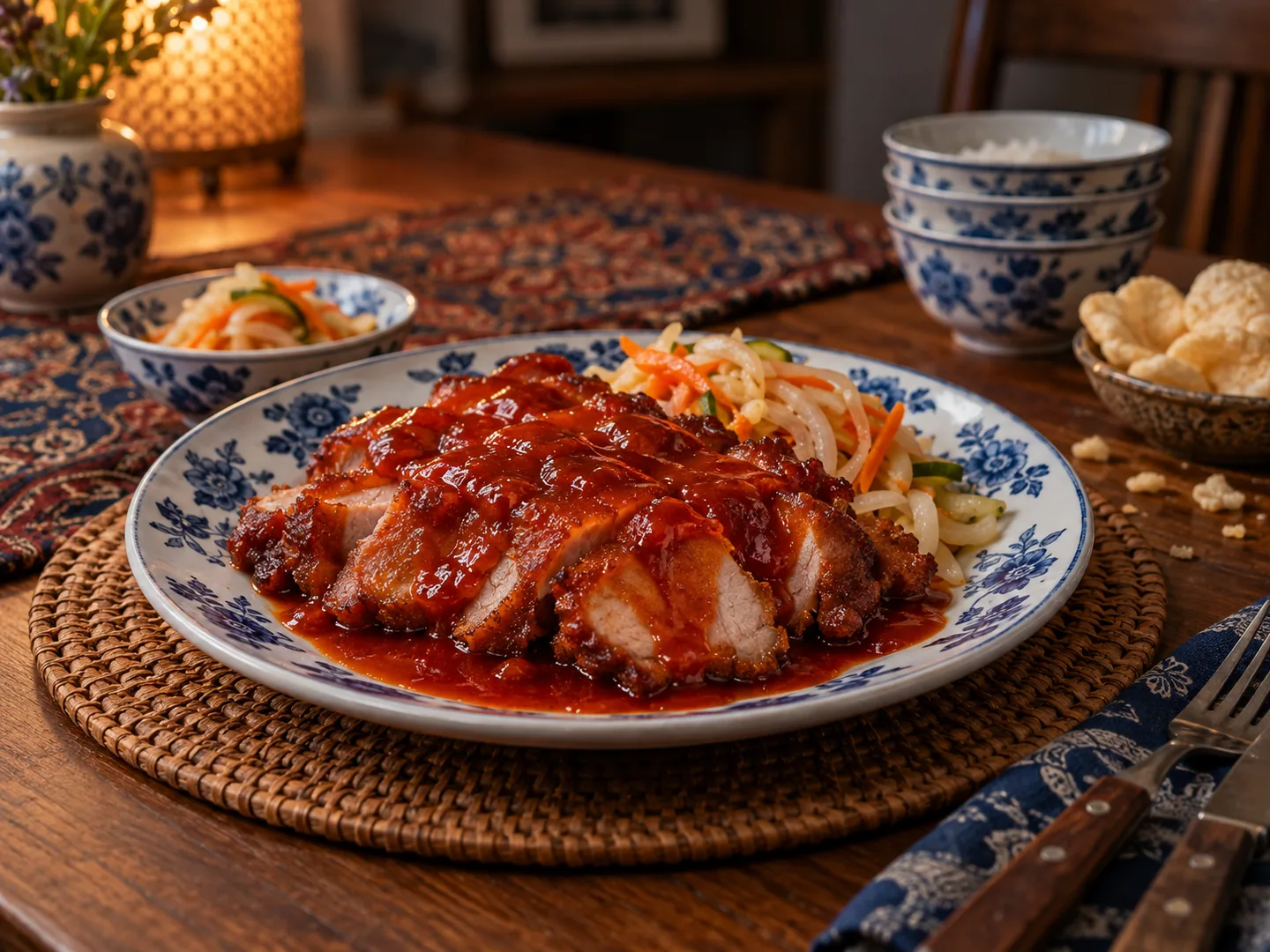
Babi pangang

Crisp roast pork with a sweet-sour red sauce and pickled vegetables: the Chinees-Indisch restaurant classic that became a Dutch takeaway staple.

120 minIntermediate
Bami Goreng (Indo-Dutch Fried Noodles)Bread

The Indies at Home

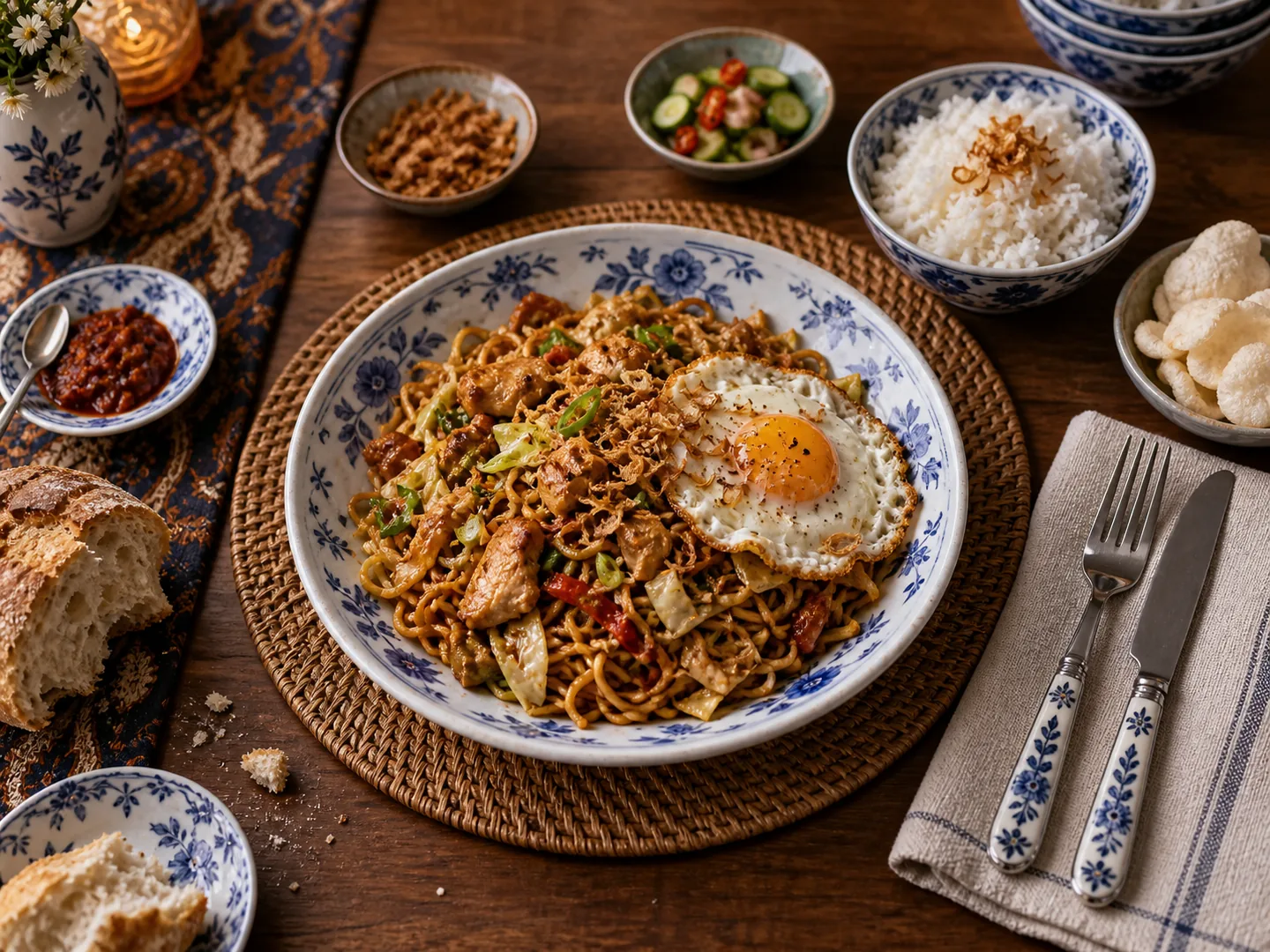
Bami Goreng (Indo-Dutch Fried Noodles)

Bami goreng

The fried egg noodles that came home from the Indies, wok-tossed with a spiced bumbu, ketjap manis, chicken and cabbage, and served across the Dutch table beside nasi.

50 minIntermediate
Bamischijf (Crumbed Fried Noodle Disc)Borrel

The Indies at Home

Bamischijf (Crumbed Fried Noodle Disc)

Bamischijf

Seasoned bami goreng set into a disc, breaded and deep-fried until golden. The Dutch snack-bar favourite, rebuilt at home from Indo-Dutch fried noodles.

80 minIntermediate
Foe Yong Hai (Dutch-Chinese Omelette in Sweet-Sour Sauce)Bread

The Indies at Home

Foe Yong Hai (Dutch-Chinese Omelette in Sweet-Sour Sauce)

Foe yong hai

A thick, puffed omelette with prawns and spring onion under a glossy red tomato sauce with peas, made the way a Dutch Chinese takeaway serves it.

35 minBeginner
Kip Kerrie (Dutch-Chinese Chicken Curry)Stews

The Indies at Home

Kip Kerrie (Dutch-Chinese Chicken Curry)

Kip kerrie

Tender chicken and soft onion in the thick, mild yellow curry sauce of the Dutch Chinese takeaway, finished with green peas and served over white rice.

40 minBeginner
Kip Ketjap (Chicken in Sweet Soy)Stews

The Indies at Home

Kip Ketjap (Chicken in Sweet Soy)

Kip ketjap

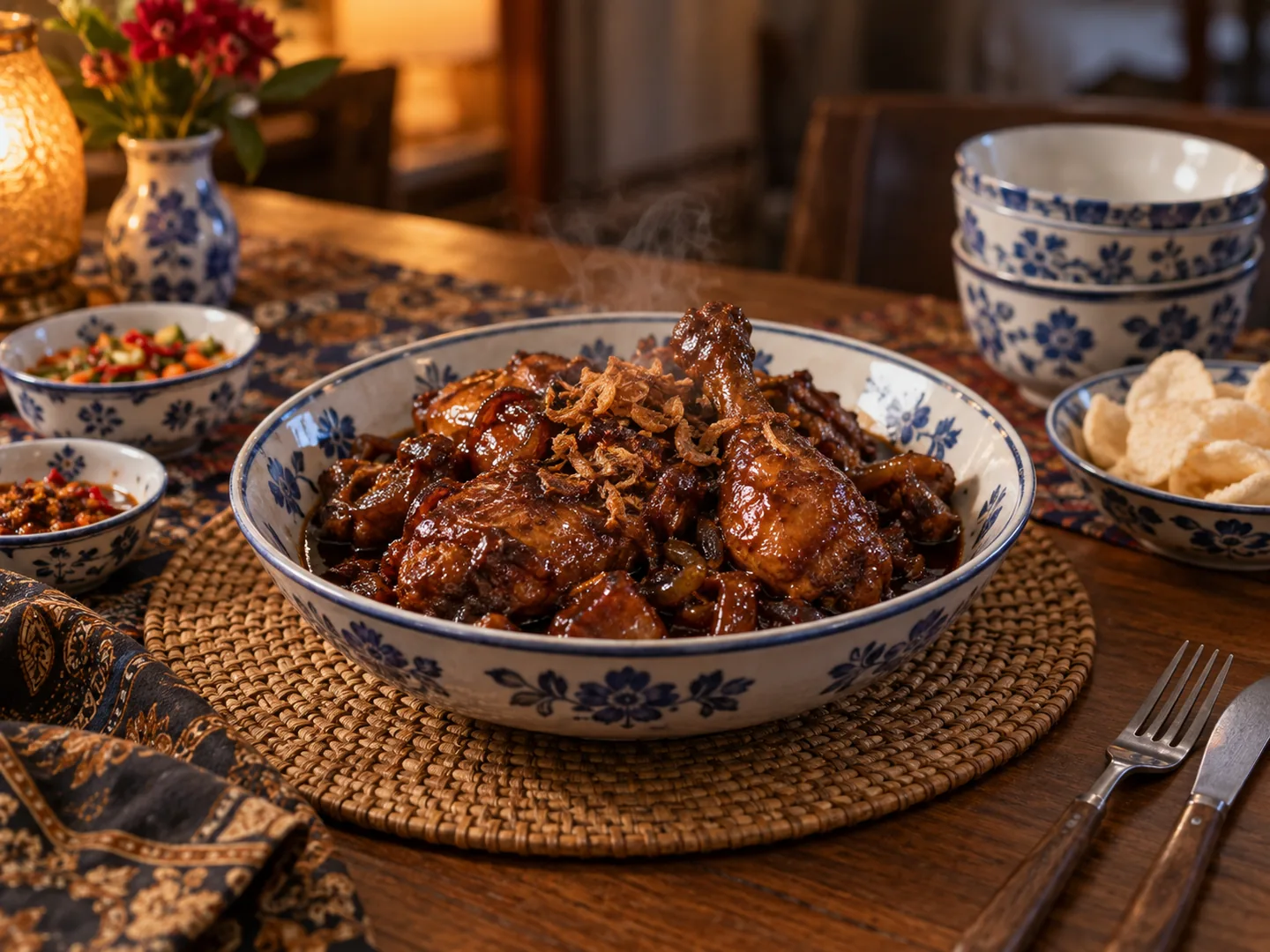
Chicken braised in sweet soy with garlic, ginger and onion until dark and sticky. This is the easy Indo-Dutch weeknight dish that made ketjap manis a Dutch pantry staple.

55 minBeginner
Koe Loe Yuk (Sweet-Sour Battered Pork)Stews

The Indies at Home

Koe Loe Yuk (Sweet-Sour Battered Pork)

Koe loe yuk

Cubes of pork in a crisp batter, fried twice and served with a bright sweet and sour sauce of pineapple and peppers: the Cantonese classic of Dutch takeaway.

60 minIntermediate
Loempia (Indo-Dutch Spring Rolls)Borrel

The Indies at Home

Loempia (Indo-Dutch Spring Rolls)

Loempia

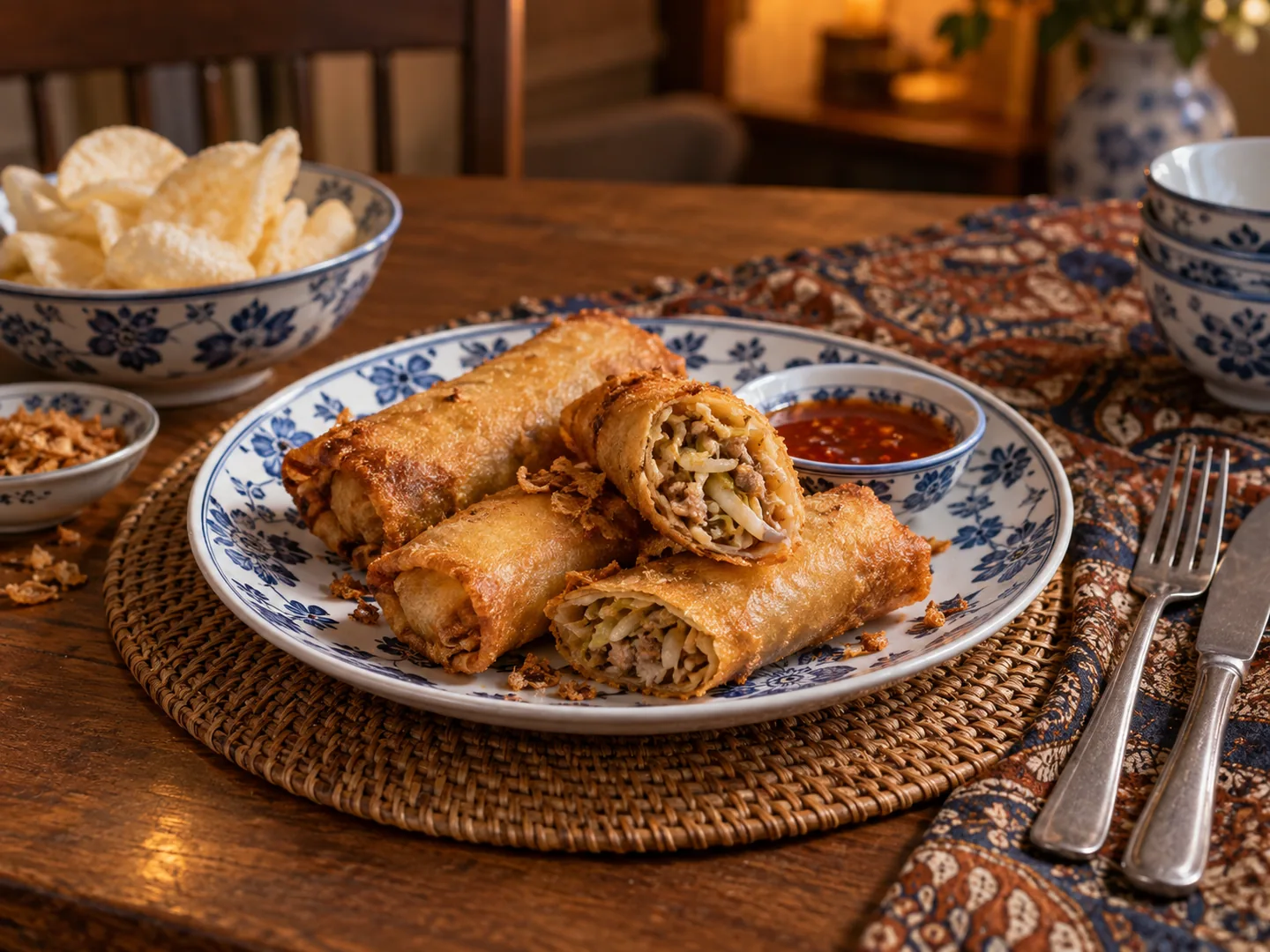
Crisp fried spring rolls packed with cabbage, beansprouts and pork: the Chinese-Indonesian snack that became a Dutch market and snackbar fixture.

60 minIntermediate
Mihoen Goreng (Fried Rice Vermicelli)Bread

The Indies at Home

Mihoen Goreng (Fried Rice Vermicelli)

Mihoen goreng

Thin rice vermicelli wok-fried with chicken, prawns, cabbage and a splash of ketjap: the lighter sibling of bami goreng on every Chinees-Indisch menu.

40 minBeginner
Nasi Goreng (Indo-Dutch Fried Rice)Bread

The Indies at Home

Nasi Goreng (Indo-Dutch Fried Rice)

Nasi goreng

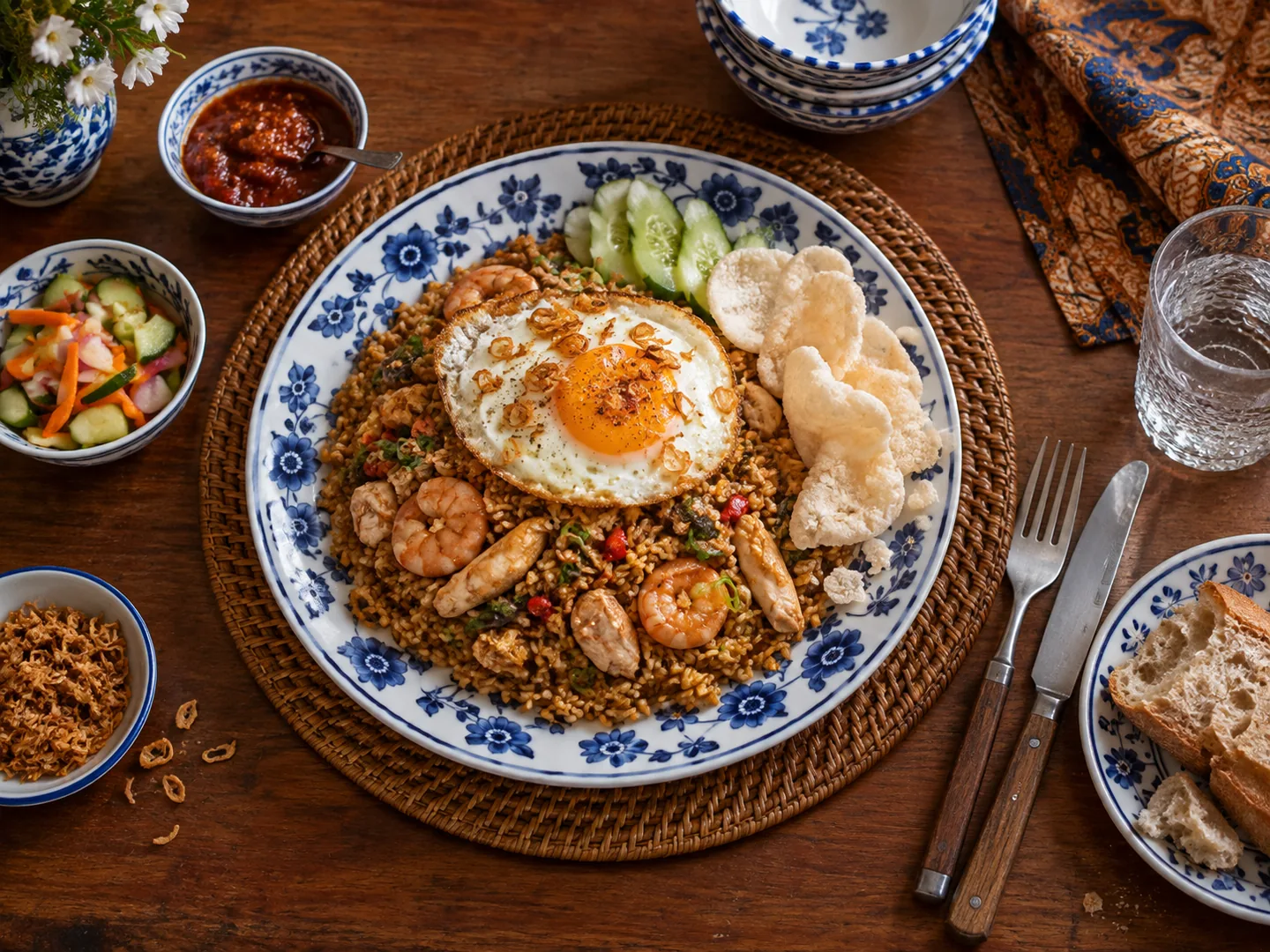
The fried rice that came home from the Indies and became Dutch: day-old rice wok-tossed with a spiced bumbu, ketjap manis, chicken and prawns, crowned with a fried egg.

50 minIntermediate
Nasi Rames (Rice with a Plate of Side Dishes)Bread

The Indies at Home

Nasi Rames (Rice with a Plate of Side Dishes)

Nasi rames

White rice ringed with small sides: rendang, sambal goreng boontjes, atjar, serundeng and an egg in chilli sauce. The rijsttafel on one plate, takeaway style.

70 minIntermediate
Pisang Goreng (Fried Banana)Sweets

The Indies at Home

Pisang Goreng (Fried Banana)

Pisang goreng

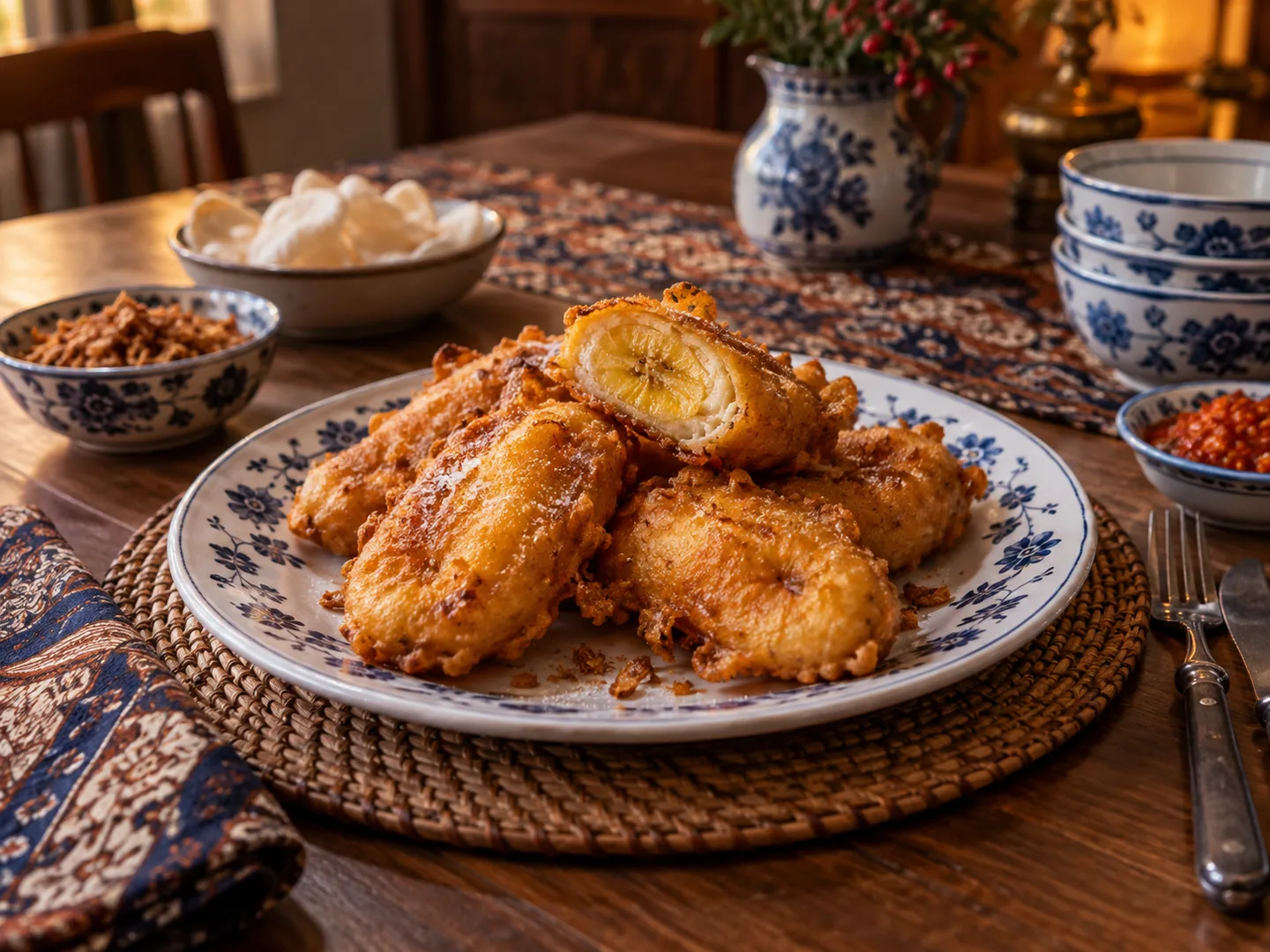
Ripe banana in a crisp batter, fried golden and eaten hot. This Indonesian sweet snack became a beloved close to the Dutch-Indo meal.

30 minBeginner
Saté Ajam (Chicken Satay with Peanut Sauce)Borrel

The Indies at Home

Saté Ajam (Chicken Satay with Peanut Sauce)

Saté ajam

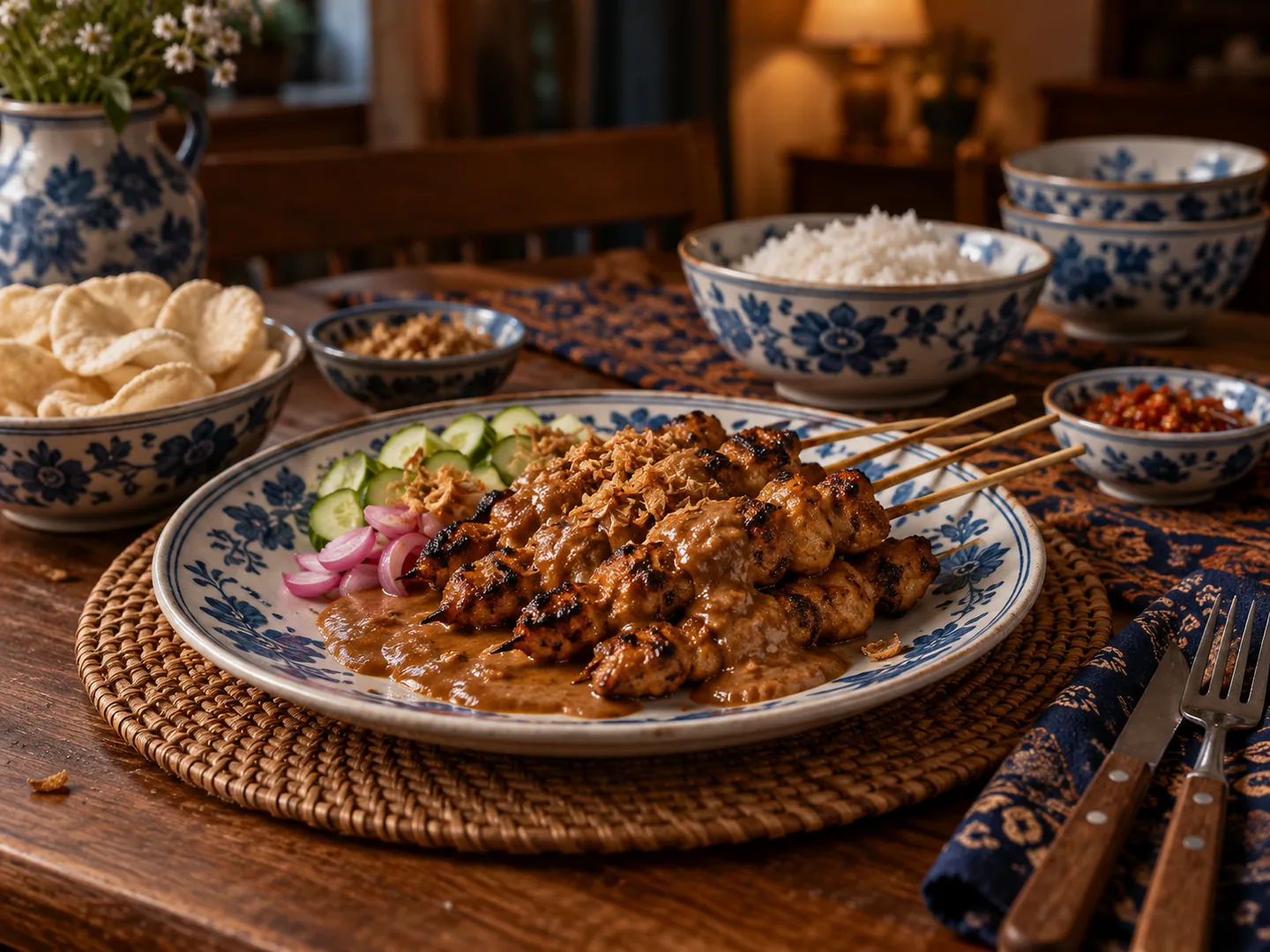
Skewered marinated chicken grilled over fire and drenched in a warm peanut sauce. This Indonesian satay became the star of the Dutch rijsttafel and snackbar alike.

55 minIntermediate
Tjap Tjoy (Stir-Fried Vegetables in Glossy Sauce)Stews

The Indies at Home

Tjap Tjoy (Stir-Fried Vegetables in Glossy Sauce)

Tjap tjoy

Crisp mixed vegetables and thin strips of pork, cooked fast in a hot wok and bound in a light, shining sauce, the way a Dutch Chinese takeaway makes it.

40 minBeginner

Where the menu came from

Chinese sailors and ship’s stokers settled in Rotterdam and Amsterdam in the early twentieth century, and the first Chinese eating houses in the Netherlands grew up around them. The bigger change came after Indonesian independence, when Indo-Dutch families and returning colonials arrived with a taste for nasi, bami and saté. Chinese cooks, some of whom had lived in the Indies themselves, put those dishes on the menu beside Cantonese ones. By the 1970s the Chinees-Indisch restaurant had reached towns that had never had a restaurant of any other kind.

What makes it Dutch

Much of this food has no single home country. Babi pangang takes its name from Indonesian and its roasting from Cantonese kitchens, but the sweet red sauce was made for Dutch customers. Foe yong hai arrives under a tomato sauce you would not find in Guangzhou. Kip kerrie is milder and thicker than any curry from Java. These are Netherlands dishes with Asian roots, and they deserve the same care as a pot of hachee.

How to order, and how to cook it

Regulars order by number, ask for speciaal to get a fried egg and extra meat on their nasi or bami, and share a small rijsttafel between two. At home the same logic works: cook one rice or noodle base, one or two dishes in sauce, then add atjar, sambal and kroepoek.

Questions

What is Chinees-Indisch food?+

It is Chinese-Indonesian restaurant cooking as it developed in the Netherlands: Cantonese technique and Indonesian dishes, adjusted to Dutch tastes in the decades after the Second World War.

What does speciaal mean on the menu?+

It varies by restaurant, but nasi or bami speciaal usually comes with a fried egg and extra meat on top. Ask if you are unsure; every kitchen has its own version.

Is it the same as Indonesian food?+

No. Nasi goreng and saté come straight from Indonesia, while the red sauce on babi pangang and the tomato sauce on foe yong hai were shaped in Dutch restaurants. For Indo-Dutch home cooking, see The Indies at Home.